Aesthetics
Sun spots, those small, dark patches that appear on the face over time, are more than cosmetic blemishes. They are silent markers of cumulative sun damage and subtle shifts in cellular health, often overlooked until they disrupt skin tone and radiance. While many focus on surface solutions, addressing sun spots effectively requires understanding their deeper connection to aging, pigmentation imbalance, and preventive skin strategies rarely discussed in conventional skincare advice.
What Are Sun Spots and Why They Appear
Sun spots, also called solar lentigines, are small, flat areas of hyperpigmentation that develop when melanin, the pigment responsible for skin color, clusters in specific spots on the skin’s surface. While most people attribute them solely to sun exposure, their formation is often a combination of cumulative UV damage, subtle hormonal shifts, and even minor inflammation from past skin injuries or irritation. Interestingly, sun spots can appear in areas rarely thought of as sun-exposed, such as the upper chest or hands, revealing hidden sun damage over time. Genetics also play a role, influencing how quickly melanin concentrates in certain areas. Unlike freckles, which fluctuate with sun exposure, sun spots persist and deepen with age, signaling not just surface-level discoloration but deeper, long-term changes in skin health and cellular repair mechanisms.
Natural Ways to Fade Sun Spots at Home
While professional treatments can be highly effective, subtle at-home strategies can gradually lighten sun spots and improve overall skin resilience. Ingredients like vitamin C, niacinamide, and licorice root extract work by gently regulating melanin production, while natural exfoliants such as fruit enzymes or oat-based scrubs support skin turnover without irritation. Consistent sun protection is crucial, even on cloudy days, to prevent new spots from forming. Emerging research also highlights the role of internal support: antioxidants from foods like berries, leafy greens, and green tea can help reduce oxidative stress that contributes to pigmentation. Even lifestyle choices, such as managing inflammation and avoiding repeated minor sunburns, can significantly impact how quickly sun spots fade over time.
Comparing Treatments: Results, Safety, and Expectations
When considering how to get rid of sun spots on the face, it’s important to understand that not all treatments work the same way, and each comes with its own timeline, safety considerations, potential side effects, and subtle effects on overall skin health. Here’s a breakdown of the most common approaches:
- Natural Fade Methods
- Gradual improvement over weeks or months; results depend heavily on consistency and skin type.
- Minimal risk of irritation if active ingredients are used correctly.
- May not fully remove deeper pigmentation or spots that have persisted for years.
- Supports overall skin health and resilience by reducing oxidative stress and inflammation.
- Gradual improvement over weeks or months; results depend heavily on consistency and skin type.
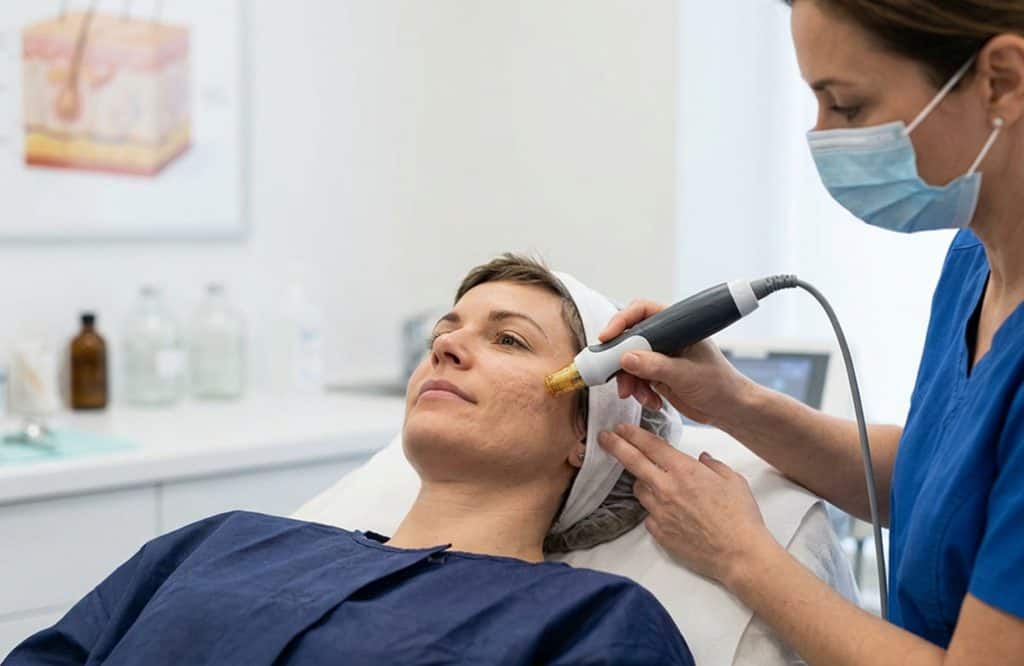
- IPL for Sun Spot Removal
- Uses pulses of light to target pigmented cells beneath the surface.
- Typically requires 3–5 sessions for optimal results, with visible fading after the first few treatments.
- Minimal downtime, though mild redness or swelling can occur.
- Especially effective for patients with lighter skin tones and multiple superficial spots.
- Uses pulses of light to target pigmented cells beneath the surface.
- Laser Treatment for Sun Spots
- More precise than IPL, targeting individual spots with concentrated energy.
- Can produce dramatic improvement in fewer sessions, often 1–3 treatments.
- Slight risk of temporary darkening or blistering; requires careful post-treatment care.
- Stimulates collagen production, which can improve texture and firmness alongside pigmentation correction.
- More precise than IPL, targeting individual spots with concentrated energy.
- Chemical Peels
- Works by exfoliating the outer skin layers, encouraging new, evenly pigmented skin to emerge.
- Superficial peels require minimal downtime; medium-depth peels offer more visible results but need more recovery.
- May cause temporary redness or sensitivity; layering treatments with sun protection is essential.
- Can complement topical regimens for sustained improvement.
- Works by exfoliating the outer skin layers, encouraging new, evenly pigmented skin to emerge.
- Microneedling
- Uses tiny needles to create micro-injuries, promoting collagen and pigment remodeling.
- Results are gradual, usually noticeable after 3–6 sessions.
- Low risk of scarring when performed professionally, but can worsen pigmentation if not paired with proper skincare.
- Particularly beneficial for aging skin with uneven tone and texture.
- Uses tiny needles to create micro-injuries, promoting collagen and pigment remodeling.
- Laser Skin Resurfacing
- Deep treatment that removes damaged skin layers, offering the most dramatic and long-lasting results.
- Requires significant downtime, including redness and peeling for several days to weeks.
- Best suited for stubborn spots or aging skin, as it addresses both pigmentation and skin quality simultaneously.
- Must be performed by trained professionals to minimize complications.
- Deep treatment that removes damaged skin layers, offering the most dramatic and long-lasting results.
- Key Considerations Across All Treatments
- Skin type, depth of pigmentation, age, and lifestyle all influence outcomes.
- Combining treatments, such as topical antioxidants with professional procedures, can accelerate results.
- Ongoing sun protection and gentle maintenance are essential to prevent recurrence.
- Skin type, depth of pigmentation, age, and lifestyle all influence outcomes.
Each sun spot treatment offers unique benefits, timelines, and considerations. Effectiveness depends on skin type, pigmentation depth, and lifestyle. Combining approaches, natural methods, professional procedures, and consistent sun protection, can maximize results while supporting long-term skin health. Thoughtful planning ensures safer, more lasting improvements in tone, texture, and radiance.
Prevention and Long-Term Care
Preventing new sun spots and maintaining even skin tone goes beyond daily sunscreen application. Consistent use of broad-spectrum SPF shields the skin from UVA and UVB damage, while protective clothing and strategic shade exposure reduce cumulative sun stress that often goes unnoticed. Integrating topical antioxidants and gentle retinoids into a daily routine helps neutralize free radicals and supports cellular repair, slowing the formation of pigmentation. Long-term care also includes monitoring subtle changes in tone or texture, as early intervention can prevent small spots from becoming persistent. Emerging research suggests that minimizing low-grade inflammation through diet, hydration, and sleep can influence how skin responds to UV exposure, making lifestyle choices as important as any topical or professional intervention.
Final Thoughts: Achieving Radiant, Even-Toned Skin
Sun spots are more than a cosmetic concern, they reveal underlying changes in skin health and cumulative sun exposure. Addressing them effectively requires a combination of preventive care, targeted at-home strategies, and professional treatments tailored to your skin’s needs. By understanding the causes, exploring safe natural remedies, and considering advanced physician-led procedures, you can restore a more even, luminous complexion while supporting long-term skin health. For those ready to take the next step in sun spot removal and overall skin rejuvenation, visit LifeGaines Medical and Aesthetics Center in Boca Raton, or call us at (561) 931-2430 to schedule a personalized consultation.

Dr. Richard Gaines is the Chief Medical Officer of LifeGaines Med Spa in Boca Raton. He attended the Boston University School of Medicine, completed an internship at the Tufts University of Medicine, and his residency at the Harvard School of Medicine. Today, Dr. Richard Gaines is at the forefront of the rapidly evolving sexual health paradigm. He continues to innovate with new anti-aging treatments to enhance and extend the lives of his patients. His effective forms of regenerative medicine, hormone therapy, and wellness treatments are designed to help people of all ages improve their energy, drive, sexual health, and overall wellness goals.