Aesthetics
Skin tightening treatments are often seen as quick fixes for sagging or loose skin, but the true measure of their value lies in how long results last—and this is influenced by far more than the technology used. Factors such as collagen quality, tissue elasticity, lifestyle habits, and even subtle age-related changes play a critical role in longevity. Understanding these underlying influences helps set realistic expectations and highlights why maintenance and personalized approaches are essential for lasting, natural-looking results.
Factors That Affect How Long Skin Tightening Lasts
The longevity of skin tightening results depends on more than the device or procedure used. Skin type and natural elasticity play a major role—thicker, more resilient skin responds better, while thinner or sun-damaged skin may show shorter-lasting effects. Age influences collagen production and tissue remodeling, meaning older patients often require maintenance sooner. Treatment technique and technology also matter; laser, radiofrequency, and ultrasound stimulate collagen differently, creating varying timelines for visible improvements. Finally, lifestyle factors—including sun exposure, smoking, hydration, nutrition, and consistent skin care—can accelerate collagen breakdown or support tissue health, making personalized post-treatment care critical for sustaining results beyond the initial months.
Expected Duration of Common Skin Tightening Treatments
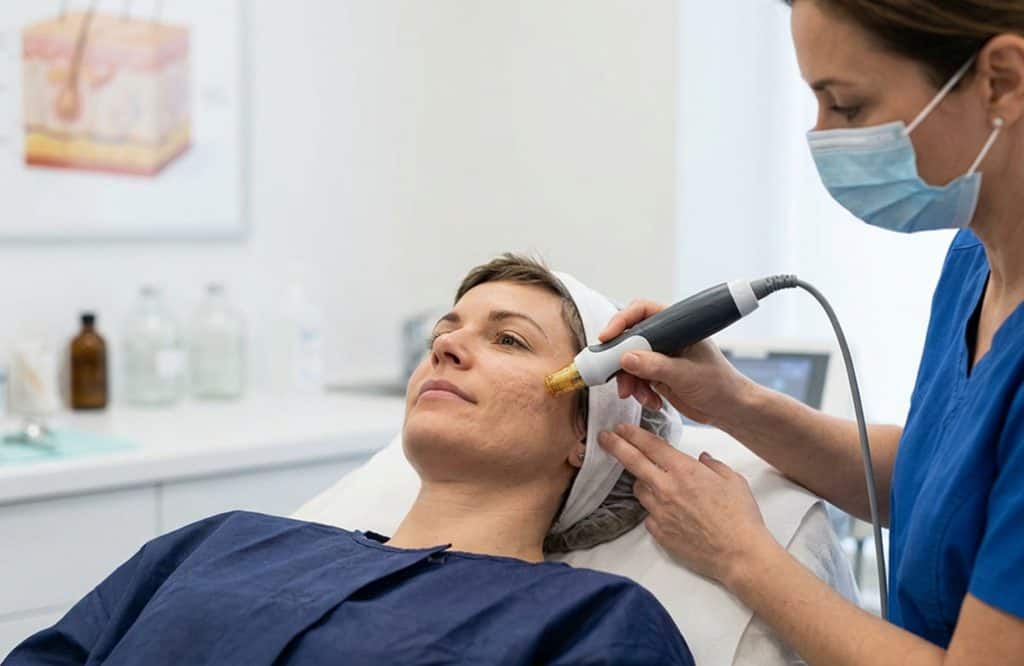
Non-surgical skin tightening treatments vary in how long results last, depending on the technology and individual factors. Radiofrequency treatments gradually stimulate collagen, with improvements often appearing over 2–3 months and lasting 12–18 months. Ultrasound-based therapies remodel deeper tissue, producing subtle yet durable results that can persist up to 18 months or longer, especially with maintenance. Laser skin tightening works on surface layers and may show faster visible results, but longevity is influenced by skin thickness, age, and sun exposure. In all cases, the full benefits continue to develop as collagen regenerates over time, meaning patients often experience incremental improvements well after the procedure, highlighting the importance of understanding the treatment’s biological timeline.
Comparing Skin Tightening to Surgical Options
When considering ways to restore firmness and youthful contours, it’s important to understand the differences between non-surgical skin tightening treatments and surgical options like facelifts. Both approaches aim to improve appearance, but they achieve results through very different mechanisms, timelines, and levels of invasiveness.
- Skin Tightening vs Surgical Facelift Results Duration – Surgical facelifts reposition and lift tissue, creating immediate, structural changes that can last 7–10 years or more. Non-surgical treatments, such as radiofrequency, ultrasound, or laser, work by stimulating collagen and elastin production gradually, with effects typically lasting 12–24 months. While surgery provides long-term correction, non-invasive options offer subtler, natural-looking improvements without downtime.
- Gradual vs Immediate Changes – Non-surgical treatments produce progressive results over weeks to months as collagen remodeling occurs. Surgical facelifts create an instant change in facial or neck contours, though final results may take several weeks to appear as swelling subsides and tissue settles. Patients often appreciate non-surgical treatments for their subtle, evolving enhancement rather than dramatic, immediate shifts.
- Maintenance and Repeat Treatments – Non-invasive treatments often require periodic maintenance to sustain results. Surgical outcomes are more durable but may benefit from complementary procedures, such as laser skin tightening or injectables, to prolong effects and address minor changes over time.
- Recovery and Risk Considerations – Non-surgical treatments carry minimal recovery and low procedural risk, making them attractive for those who want improvements without interrupting daily routines. Surgery involves longer recovery, higher risk, and anesthesia considerations, but delivers structural correction that non-invasive approaches cannot fully replicate.
- Long-Lasting Non-Surgical Facelift Treatments – Advanced protocols that combine technologies—for example, pairing ultrasound with radiofrequency or layering multiple sessions—can enhance collagen stimulation and extend results. When carefully planned, these non-surgical strategies can approach the durability of surgical lifts while maintaining a natural look.
- Customizing Based on Patient Goals – The choice between surgical and non-surgical approaches depends on age, degree of skin laxity, aesthetic goals, and lifestyle priorities. Younger patients or those with mild sagging often achieve excellent outcomes with non-invasive methods, while more advanced laxity or structural changes may require surgery for optimal long-term results.
By understanding these differences, patients can make informed decisions that balance desired outcomes, recovery time, and longevity, ensuring their approach aligns with both aesthetic goals and lifestyle needs.
Optimizing and Maintaining Results
Maximizing the longevity of skin tightening results requires a combination of professional treatments and lifestyle strategies. Regular follow-up sessions help reinforce collagen remodeling and maintain tissue firmness over time. Consistent skin care, including high-quality moisturizers, sunscreen, and antioxidant-rich products, protects against UV damage and supports collagen health. Hydration, balanced nutrition, and adequate sleep also play a critical role in sustaining elasticity. Avoiding smoking and minimizing excessive sun exposure prevent premature collagen breakdown. For those seeking long-term benefits, combining treatments—such as laser, radiofrequency, or ultrasound—tailored to specific facial or body areas can extend results. Understanding these factors ensures patients achieve natural-looking, durable improvements.
What to Expect After Treatment
After skin tightening treatments, results develop gradually as the body remodels collagen and elastin. Most patients notice subtle improvements within a few weeks, with continued tightening over 2–3 months. Mild redness, swelling, or warmth at the treatment site is common and typically resolves within a few days. Unlike surgical procedures, there’s minimal downtime, allowing patients to resume daily activities immediately. Full results depend on individual factors such as age, skin quality, and lifestyle habits. Maintaining hydration, sun protection, and a consistent skin care routine can enhance outcomes, while periodic follow-up sessions help preserve improvements and ensure results remain natural-looking and long-lasting.
Conclusion: Maximizing the Longevity and Impact of Skin Tightening Treatments
The longevity of skin tightening treatments depends on a combination of technology, skin type, age, and lifestyle factors. While non-surgical procedures offer gradual, natural improvements with minimal downtime, understanding their biological timeline and maintenance requirements is essential for lasting results. Combining professional treatments with proper skin care, hydration, sun protection, and healthy habits can significantly extend the benefits. For those seeking firmer, more youthful skin or guidance on the best approach for their goals, expert evaluation is key. Visit LifeGaines Medical and Aesthetics Center or call (561) 931-2430to schedule an appointment and explore personalized options for long-lasting skin tightening results.

Dr. Richard Gaines is the Chief Medical Officer of LifeGaines Med Spa in Boca Raton. He attended the Boston University School of Medicine, completed an internship at the Tufts University of Medicine, and his residency at the Harvard School of Medicine. Today, Dr. Richard Gaines is at the forefront of the rapidly evolving sexual health paradigm. He continues to innovate with new anti-aging treatments to enhance and extend the lives of his patients. His effective forms of regenerative medicine, hormone therapy, and wellness treatments are designed to help people of all ages improve their energy, drive, sexual health, and overall wellness goals.